

How Many Animals Have Gone Extinct In The Last 50 Years
The disappearance of 160 species has been declared by the IUCN over the last decade: most had been gone for a long time and their demise can exist traced in big part to human being impact. The full list of extinct species.
Much like death,extinction is part of life, an inevitable, natural miracle that has occurred cyclically throughout our planet's history. Approximately 99 per cent of species that take walked the Earth are now extinct, having disappeared considering of changes in the surround or the appearance of new ones, leading to a constant turnover. The rate of extinction, however, has never been as high equally information technology is today.
- Mammals
- Birds
- Reptiles
- Fish
- Invertebrates
- Plants
Life in the time of the sixth mass extinction
According to many experts, the sixth mass extinction is currently taking place. The extent of disappeared species hasn't nonetheless reached the threshold that characterised previous extinction events, merely it'due south happening at a faster footstep than ever before. Under normal conditions, the "rate of speciation, meaning the birth of new species, is higher than the rate of extinction," writes science journalist Pietro Greco, and one to x species disappear each year.
In the last one hundred years, nonetheless, these figures accept grown exponentially: the electric current rate of extinction is estimated to be around yard species per twelvemonth. Human activities are, notoriously, the triggering gene behind this phenomenon. In a negligible amount of fourth dimension nosotros've devastated entire ecosystems, hunted many animals to extinction, introduced invasive species, contradistinct the chemical composition of the atmosphere and climactic and chemical residual of the oceans.
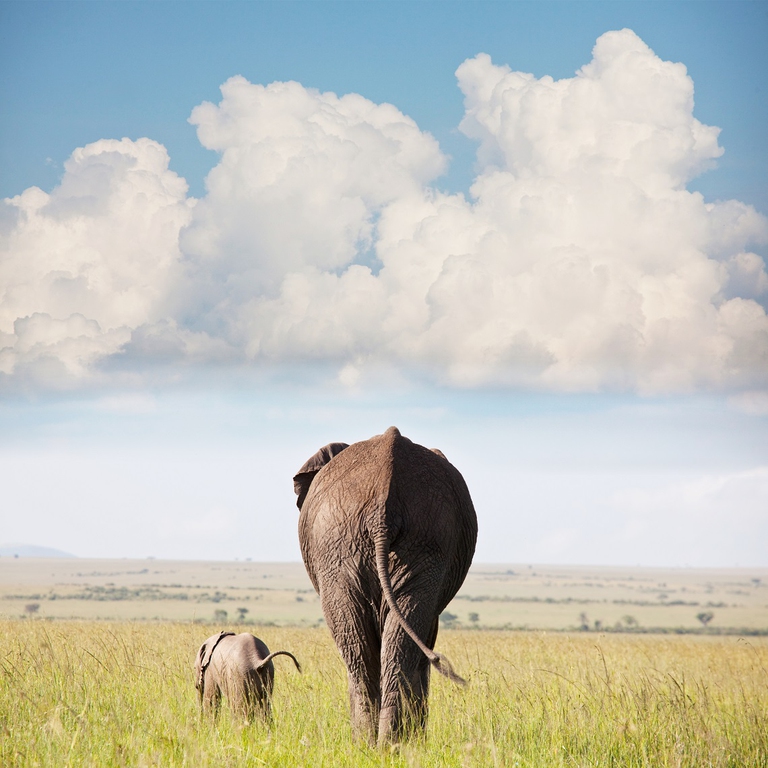
Extinction is forever
The list of species that take gone extinct, directly or indirectly, because ofHomo sapiens is immense, and requires constant updating. There'southward no way dorsum from extinction and the loss of a species determines the definitive disappearance of a item tile in the mosaic of life, which had evolved and adapted to a sure environment. Overall, it's a loss for all life on Earth.
The list of species alleged extinct in the last decade
During the decade that just ended (2010-2019), the International Union for the Conservation of Nature (IUCN) declared the extinction of160 species. These are mostly piddling-known – perhaps non so charismatic – beings, such as many invertebrates, and nearly of them have been gone for a long time. More often than not, a species tin can be declared extinct with certainty but subsequently decades without it being sighted. Below is a list of the 160 plants and animals we'll never see again.
Mammals
Bettongia anhydra (Desert bettong)
The small marsupial belonged to the Potorous genus. Scientists only ever observed 1 specimen, in 1933, and it hasn't been seen since. It's believed that the reject of the species is linked to the inflow of mice and foxes to Australia. It was declared extinct past the IUCN in 2016.
Conilurus capricornensis (Capricorn rabbit-rat)
The small nocturnal rodent native to Australia, belonging to the Conilurus genus, was described thanks to the retrieval of fossilised remains. Scientists believe information technology went extinct considering of the introduction of cats and changes in country use. The IUCN declared it extinct in 2016.
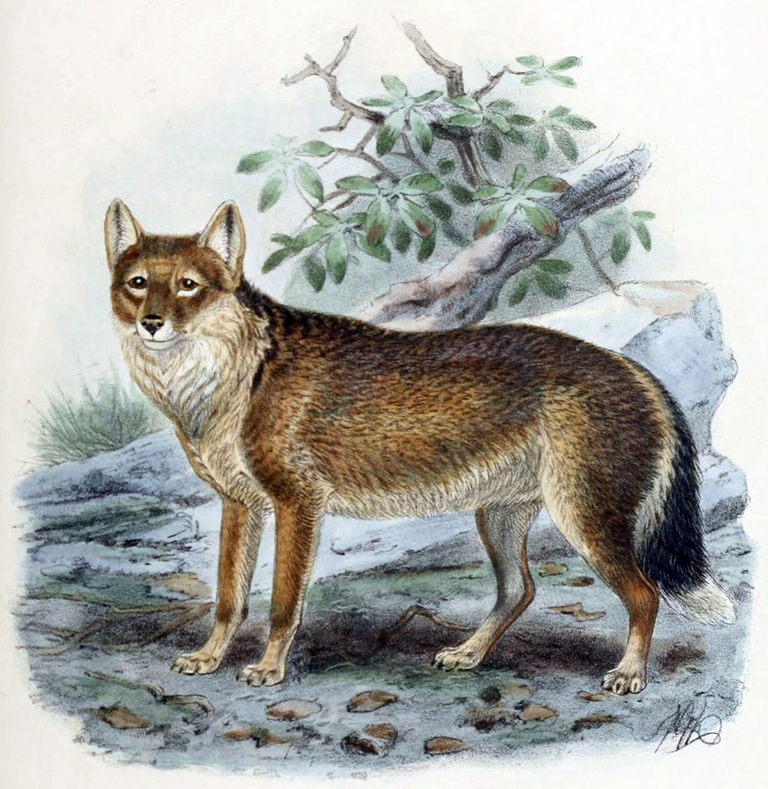
Dusicyon avus
This canid was once plant in the grassy plains of Patagonia and the Pampas, in South America. Fossilised remains institute in tombs advise it may have been domesticated. According to analyses of these fossils, it would appear that the species went extinct between 326 and 496 years ago, possibly because of hunting and contest with domestic dogs. The species was added to the IUCN's listing in 2015.
Leporillus apicalis(Lesser stick-nest rat)
These rats were known for edifice big nests in their native habitats in southern Commonwealth of australia. The species was already rare at the beginning of the 20th century and disappeared betwixt the 1930s and 1940s, perchance due to feral cats. The IUCN declared it extinct in 2016.
Melomys rubicola(Brier Cay melomys)
This small rodent can claim the unenviable posthumous title of being the kickoff mammal species to go extinct direct due to the furnishings of anthropogenic climatic change. It lived exclusively on a small coral island in the Torres Strait between Australia and Papua New Guinea. The beast's habitat, express to a area of under v hectares and an elevation of less than three metres, suffered from increasingly frequent storms, which gradually destroyed the native vegetation on which the melomys depended. Scientists haven't spotted a specimen since 2009 and the IUCN declared the species extinct in 2016.
Read more: The first mammal has become extinct due to climatic change
Notomys robustus(Broad-cheeked hopping mouse)
The existence of this rodent was discovered thanks to analysis of craniums plant in wads of undigested prey regurgitated by southern Australian owls. The species is said to have gone extinct in the 19th century and the IUCN added it to its list in 2016.
Pennatomys nivalis(Nevis rice rat)
This rodent belonging to the Cricetidae family was the just species in the Pennatomys genus. It lived in the Lesser Antilles and was office of the diet of indigenous inhabitants. Information technology's likely to have disappeared following the arrival of European colonisers and the not-native mammals they brought, such every bit rats and mongooses. It was officially declared extinct in 2011.
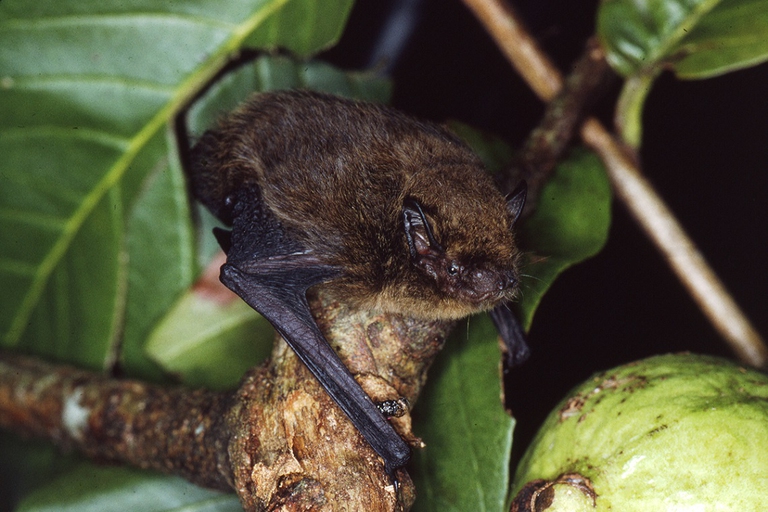
Pipistrellus murrayi(Christmas Isle pipistrelle)
Christmas Island, an Australian territory in the Indian Ocean, was home to a pipistrelle alleged extinct in 2017. In 2008, the population was of just x individuals. The last specimen of this small bat species, which used to be common on the island, was last seen in 2009. The causes of its extinction aren't notwithstanding clear considering the island'southward forests have mostly survived the arrival of humans. Scientists believe it may have suffered the introduction of not-native species such as the xanthous crazy ant (Anoplolepis gracilipes), oriental wolf snake (Lycodon capucinus), cats and rats. The growing use of insecticides, such as Fipronil, may besides have contributed to its decline.
Read more than: The strange ritual migration of 50 million red crabs on Christmas Island
Pseudomys auritus(Long-eared mouse)
Scientists are aware of the former existence of this big rodent thanks to specimens collected by naturalists in the 1800s. These animals used to live in Australian forests and disappeared effectually 1850. The IUCN declared the species extinct in 2016.
Sus bucculentus(Indo-Chinese warty pig)
This species of wild pig used to live in Laos and Vietnam. It hasn't been seen since 1892, although some craniums found in 1995 reignited hopes that the species might still be alive. However, according to genetic analysis the skulls were likely to vest to a different species of wild boar. It was declared extinct by the IUCN in 2016.
Birds
Acrocephalus luscinius(Guam reed-warbler)
This modest songbird lived in the wetlands of the island of Guam, a US territory in Micronesia, in the western Pacific. Up to 1968 information technology was a quite common species but later its numbers saw a steep decline as non-native species, such every bit cats, rats and mulga snakes, were introduced. The warbler besides suffered due to the destruction of its habitat and growing apply of pesticides. Information technology seems to take disappeared in 1969 and was alleged extinct by the IUCN in 2016.
Acrocephalus musae (Forster's reed-warbler)
This bird used to inhabit the bamboo forests of 2 French Polynesian islands. Information technology too didn't survive the introduction of cats and rats into its ecosystem, equally well as the arrival of an Asian bird species that became its competitor, the common myna. The IUCN alleged this warbler extinct in 2016.
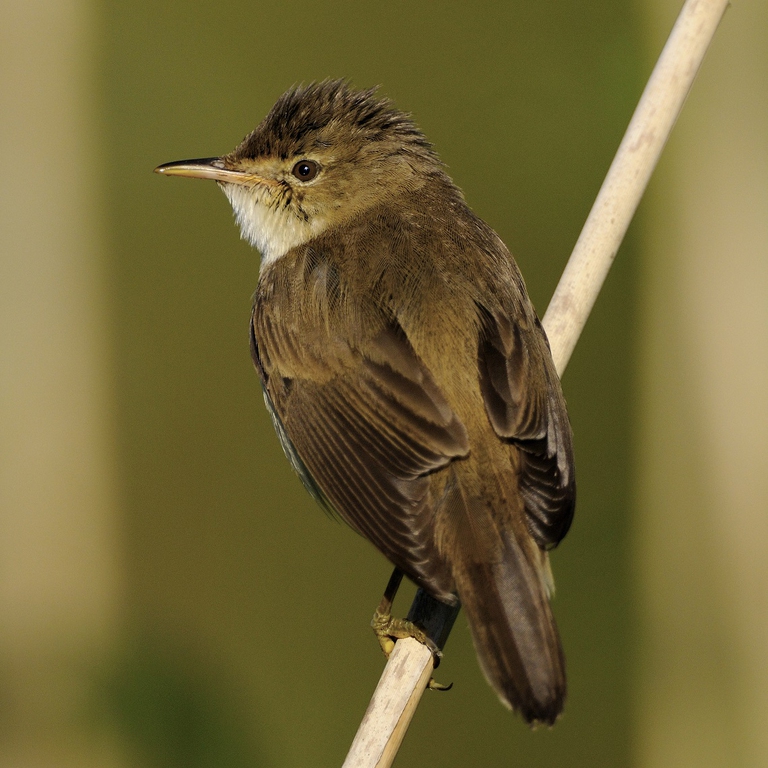
Acrocephalus nijoi(Aguijan reed-warbler)
This warbler belonged to the same family, Acrocephalidae, as the two birds to a higher place. Until 1995 it lived on Aguijan, an uninhabited islet belonging to the Northern Mariana Islands in the Pacific Ocean. Like many island species, these birds also went extinct because of the introduction of non-native species such as cats, rats and lizards by human beings. The IUCN alleged the species extinct in 2017.
Acrocephalus yamashinae(Heathen reed-warbler)
This passerine bird was once found in wetlands on the Northern Mariana Islands. The species went extinct before 1980 post-obit the destruction of its fragile habitat, which was then completely lost due to a volcanic eruption in 1981. Information technology was alleged extinct in 2016.
Aegolius gradyi(Bermuda saw-whet owl)
The existence of this small owl was simply recently proven thanks to the written report of fossil remains. It lived on the Bermuda Islands until the 17th century, until colonisers arrived and tore down the trees where information technology nested, likewise every bit introducing cats and rats. The IUCN declared it extinct in 2014.
Akialoa ellisiana(O'ahu 'akialoa)
The small bird belonged to the Fringillidae family – ordinarily known as finches – and had a long, thin and curved beak. It was native to Oahu island in the Hawaiian archipelago, and it was seen for the last time in 1894. This species was highly specialised, and its decline was caused by loss of habitat and the introduction of illnesses carried by mosquitoes. It was declared extinct by the IUCN in 2016.
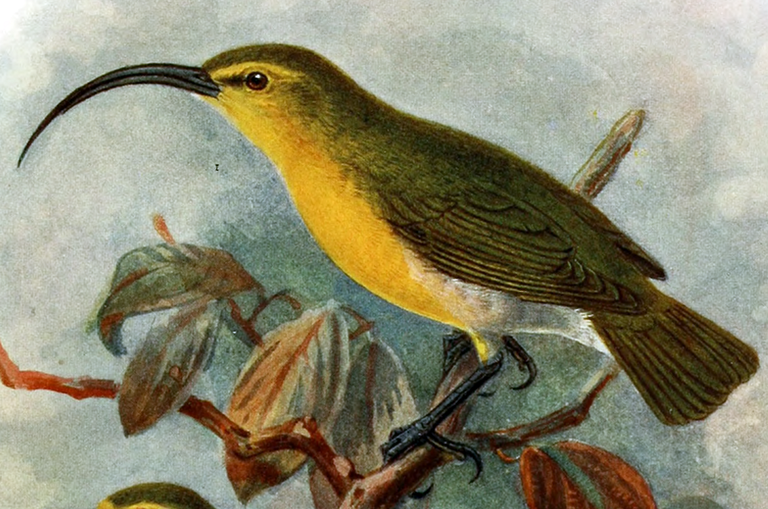
Akialoa lanaiensis(Lana'i 'akialoa)
Much like the greater 'akialoa, the Lana'i 'akialoa probably went extinct at the terminate of the 1800s due to the introduction of illnesses and destruction of the forests that gave it shelter and sustenance. Information technology was declared extinct in 2016.
Akialoa stejnegeri(Kaua'i 'akialoa)
In contrast to the two species higher up, the Kaua'i 'akialoa survived far into the 20th century: the last sighting was in 1969. For this bird too, nonetheless, the combination of habitat destruction and the introduction of new species proved fatal. The IUCN alleged information technology extinct in 2016.
Alectroenas payandeei(Rodrigues blueish-pigeon)
The beingness of this bird belonging to the Columbidae family was revealed thanks to analysis of fossilised remains. The species used to inhabit the island of Rodrigues in the Indian Ocean. Information technology disappeared in the 17th century when passing sailors accidentally introduced mice to the isle, causing a rapid decline. The IUCN declared it extinct in 2014.
Aplonis ulietensis(Raiatea starling)
This bird once lived in French Polynesia and is known only thank you to an 18th century painting. It probably went extinct after humans introduced mice to the isle, and its disappearance became official in 2016.
Bermuteo avivorus(Bermuda hawk)
This hawk was the terminal member of the Bermuteo genus. The existence of this bird of prey was discovered thanks to the study of fossil remains dating back to the 17th century. Information technology's believed to have disappeared due to hunting and the introduction of not-native species. The IUCN alleged information technology extinct in 2014.
Chenonetta finschi(Finsch's duck)
The forests of New Zealand were once home to a large duck that was most incapable of flying, a fact that scientists established thanks to fossils found on the island. The bird is idea to take gone extinct around 1500 because of hunting and the introduction of invasive species. It was added to the IUCN'south extinct species listing in 2017.
Coenocorypha barrierensis(Northward Isle snipe)
This snipe native to New Zealand was seen for the last fourth dimension in 1870. The introduction of mammals to the isle probably caused its extinction. The IUCN declared it extinct in 2016.
Coenocorypha iredalei(South Island snipe)
This bird, part of the sandpiper family (Scolopacidae) lived in New Zealand and didn't survive the introduction of invasive mammals, such as the black rat. The species was declared extinct in 2016.
Colaptes oceanicus(Bermuda flicker)
A woodpecker native to Bermuda, the species was recently described thanks to the retrieval of fossilised remains. Information technology's believed to have gone extinct in the 17th century following the arrival of European colonists, who felled the trees it lived in and introduced non-native species. The bird was declared extinct past the IUCN in 2017.
Columba thiriouxi(Mauritius wood pigeon)
This small wood pigeon lived undisturbed on the isle of Republic of mauritius, in the Indian Ocean, until 1730. Its extinction was probably caused by hunting and the arrival of black rats. The IUCN declared it extinct in 2017.
Dryolimnas augusti(Reunion rail)
This flightless bird that looked similar to a craven lived on the isle of Réunion in the Indian Ocean. Declared extinct in 2014, it's believed to have evolved in the context of an almost total absence of natural predators, therefore lacking the tools to defend itself against the cats and rats that humans introduced.
Eclectus infectus(Oceanic parrot)
Naturalists have but recently been able to describe this species of parrot thank you to the fossilised basic that were plant in the Tonga archipelago. Hunting and invasive species are said to take caused its extinction, which was confirmed by the IUCN in 2014.
Foudia delloni(Réunion fody)
This songbird institute on Réunion was known for crafting especially intricate nests. The introduction of mice to the island past humans probably led to its extinction, which happened towards the end of the 1600s. The IUCN added information technology to its extinct species list in 2016.
Hemignathus lucidus(Oahu nukupu'u)
Another Hawaiian bird with a long, curved neb, this nukupu'u was concluding observed at the finish of the 19th century. Its disappearance was probably linked to deforestation and the introduction of invasive species similar rats and mongooses, which also led to the proliferation of diseases. Its extinction was fabricated official in 2016.
Himatione fraithii(Laysan honeycreeper)
This bird lived on the Hawaiian island of Laysan and naturalists observed information technology for the final time in 1923. Information technology disappeared considering rabbits introduced by humans destroyed the plants that it depended on for nutrient. It was declared extinct by the IUCN in 2017.
Loxops wolstenholmei(O'ahu 'akepa)
No one has seen a specimen of this creature since 1930. Like other like species, this bird probably went extinct because of the introduction of non-native species and the pathogens they brought. The IUCN declared it extinct in 2016.
Nesoenas Cicur(Mauritius turtle-pigeon)
This species was recently described thanks to remains found by scientists. It probably disappeared from Republic of mauritius because of deforestation and rats. It was declared extinct by the IUCN in 2014.
Nyctanassa carcinocatactes(Bermuda night heron)
This heron called the island of Bermuda its abode until the 17th century. Hunting and the arrival of not-native cats probably caused its extinction, which was made official by the IUCN in 2014.
Pipilo naufragus(Bermuda towhee)
This passerine species was but recently described thanks to remains institute in caves on Bermuda. Similar other birds native to the island, it went extinct when feral cats were introduced into its habitat. The IUCN alleged it extinct in 2016.
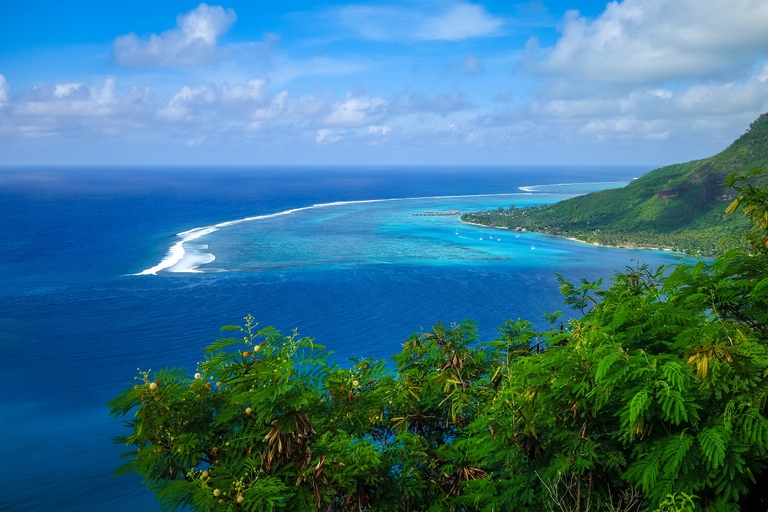
Porphyrio paepae (Marquesan swamphen)
Hunting and predation past cats and rats are likely to have acquired the extinction – certified by the IUCN in 2014 – of this small Polynesian bird toward the terminate of the 1930s.
Prosobonia cancellata(Christmas sandpiper)
This aquatic sandpiper was native to Christmas Island and probably went extinct effectually 1850 considering of invasive predators. The IUCN added it to the extinct species list in 2014.
Pyrocephalus dubius (San Cristòbal flycatcher)
This modest, bright-cerise bird of the Pyrocephalus genus was native to San Cristóbal in the Galapagos archipelago. It's believed to have gone extinct effectually the 1980s probably considering of the introduction of rats and avian influenza. The IUCN declared it extinct in 2016.
Tachybaptus rufolavatus(Alaotra grebe)
This aquatic bird used to populate the waters of Lake Alaotra in Republic of madagascar. The final confirmed sighting happened in 1982 and the IUCN declared it extinct in 2010. Various factors combined in bringing about this bird'south demise. Invasive establish and fish species compromised its food sources, while agriculture and soil erosion caused past deforestation contradistinct the quality of the water in which it lived.
Tribonyx hodgenorum(Hodgen'south waterhen)
Remains of this waterfowl dating back to the 17th century were discovered by scientists on certain islands in New Zealand. The species was alleged extinct in 2014, a loss likely caused past hunting by European colonists and the inflow of rats.
Zosterops conspicillatus(Bridled white-centre)
This passerine bird of the Zosteropidae family unit was native to the North Mariana Islands. At one betoken it even populated urban areas, just the introduction of not-native snake species caused it to quickly go extinct. The final sighting dates dorsum to 1983 and the species was declared extinct by the IUCN in 2016.
Zosterops semiflavus(Marianne white-eye)
This bird, which used to live on several islands in the Seychelles, probably went extinct effectually 1888 due to the negative consequences of the introduction of invasive species into its habitat. Its disappearance was made official by the IUCN in 2016.
Reptiles
Alinea luciae (St. Lucia skink)
Until 1937 this pocket-sized reptile of the skink family lived on the Caribbean island of Saint Lucia. Subsequent attempts to find it there proved fruitless, every bit it is believed the species succumbed to the introduction of the mongoose. It was declared extinct in 2015.
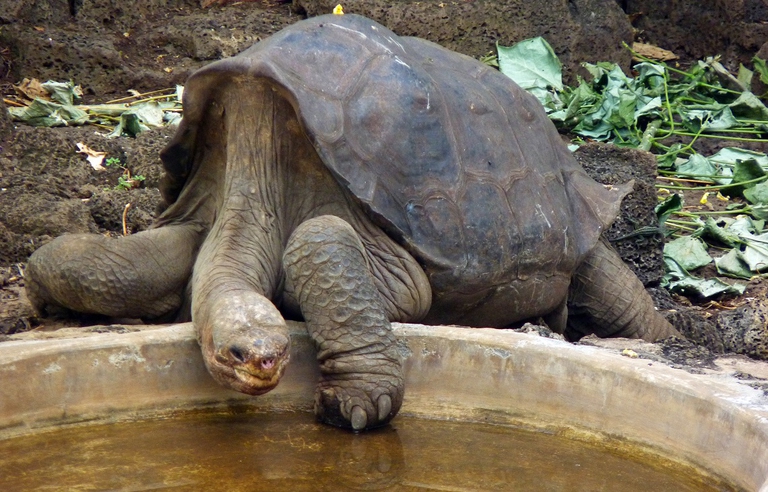
Chelonoidis abingdonii(Pinta Island tortoise)
Of all the species on this list, this is undoubtedly the near well-known and charismatic. The giant Pinta Island tortoise was a sub-species of the Galapagos tortoise. This enormous reptile was decimated by hunting and the introduction of goats to the isle, which led to competition for food. The last specimen we're aware of was known every bit Lonesome George; he was believed to be over a hundred years old when he died in 2012. The IUCN declared the species extinct in the wild in 1996.
Clelia errabunda(Underwood'due south mussurana)
This large ophidian native to the Caribbean isle of Saint Lucia went extinct around 1800. The reason isn't clear, although the impact of anthropic activities on the isle is probable to have irreparably altered its habitat. The IUCN declared it extinct in 2016.
Contomastix charrua
This species of cadger was spotted for the last time in 1977, perched on a granite outcrop in the Uruguayan coastal city of Cabo Polonio. It probably went extinct due to growing anthropic disturbance during its reproductive season caused mainly by tourism. The IUCN alleged it extinct in 2016, even though information technology isn't clear whether it was actually a species in its ain right or rather a variation of another similar species of lizard.
Copeoglossum redondae(Redonda skink)
This small-scale reptile lived on the rocky, uninhabited Caribbean island of Redonda in the Antilles archipelago. It was described for the showtime time in 1863 just it suffered a rapid decline due to the introduction of goats and rats. Its last sighting was in 1873 and the IUCN alleged it extinct in 2016.
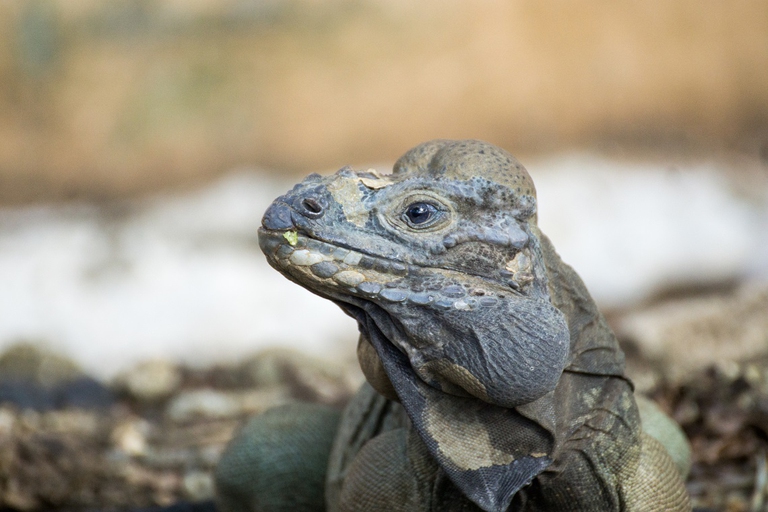
Cyclura onchiopsis (Navassa rhino iguana)
The last specimen of this reptile was seen in 1878, and in that location are two hypotheses regarding the crusade of its extinction: some believe that non-native mammals like cats and goats took over its surroundings, while others claim that miners who worked on the island deliberately exterminated it. The species was declared extinct in 2011.
Emoia nativitatis(Christmas Island whiptail-skink)
At once this cadger was mutual in the lush forests of Christmas Island, south of Republic of indonesia, in the Indian Ocean. Researchers began to discover its reject in 1998, caused by various factors such as loss of habitat and the introduction of non-native predators. A mere seven years later it could no longer exist observed in the wild. The last known specimen was a female named Gump, who died in captivity in 2014. The IUCN alleged the species extinct in 2017.
Erythrolamprus perfuscus (Barbados racer)
This snake native to Barbados hasn't been observed since 1963. It probably went extinct due to intense urban development and the introduction of mongooses, cats and rats. It was alleged extinct in 2016.
Leiocephalus cuneus
This big lizard lived on 4 islands in the Bottom Antilles at least until the 17th century. Afterwards this, populations gradually declined into oblivion because of the introduction of mice. The IUCN declared it extinct in 2016.
Leiolopisma ceciliae(Réunion behemothic skink)
This modest skink, known only thanks to fossil remains, probably went extinct at to the lowest degree 300 years ago, although information technology was simply added to the IUCN's list in 2019.
Nactus soniae(Réunion nactus)
This species of gecko lived on Réunion island until the 1500s and has been described thanks to fossilised remains. It probable went extinct considering of invasive species, as officialised past the IUCN in 2019.
Scelotes guentheri(Günther's dwarf burrowing skink)
A rather large reptile belonging to the skink family, it hasn't been observed in over 150 years and was alleged extinct by the IUCN in 2017.
Fish
Alburnus nicaeensis(İznik shemaya)
This small freshwater fish of the Cyprinidae family was native to Lake İznik, in Turkey. It disappeared around the end of the 20th century considering of the introduction of another species of fish,Atherina boyeri,into its habitat past fishermen. The IUCN declared it extinct in 2014.
Anabarilius macrolepis
Another member of the Cyprinidae family, this fish lived exclusively in Yilong Lake, China. Due to heavy h2o employ for agronomics, the lake dried up for over xx days in 1981. The species hasn't been seen since and the IUCN declared it extinct in 2011.
Aphanius splendens(Gölçük killifish)
Native to Lake Gölçük, a volcanic mountain lake in Turkey, this species went extinct in the 1980s due to non-native fish beingness introduced to boost line-fishing activities. It was declared extinct in 2014.
Atherinella callida(Cunning silversid)
This minor fish belonging to the Actinopterygii class lived in the waterways effectually the Mexican city of Veracruz. It was seen for the final fourth dimension in 1957 and probably went extinct due to habitat degradation, water pollution and dam construction. The IUCN declared it extinct in 2019.
Cyprinodon arcuatus(Santa Cruz pupfish)
This pocket-size fish of the Cyprinodontidae family was native to the Santa Cruz River in the U.s. state of Arizona. Its definitive disappearance was acquired past the growing diversion of water for agriculture and introduction of the largemouth bass. The IUCN added it to the list of extinct species in 2013 afterwards decades passed from its concluding sighting.
Labeo worthingtoni
This fish of the Cypriniformes lodge lived at the bottom of Lake Malawi in central Africa, where it was last observed in 1932. The causes of its disappearance aren't known and information technology was declared extinct in 2018.
Megupsilon aporus(Catarina pupfish)
The Catarina pupfish was a small fish native to a jump in the Mexican region of Nuevo León. Man consumption of groundwater drained the body of water and reduced the species' population. The fish's survival was ultimately compromised past the introduction of invasive species and no specimen has been seen in the wild since 1994. This led to the species beingness alleged extinct in 2019.
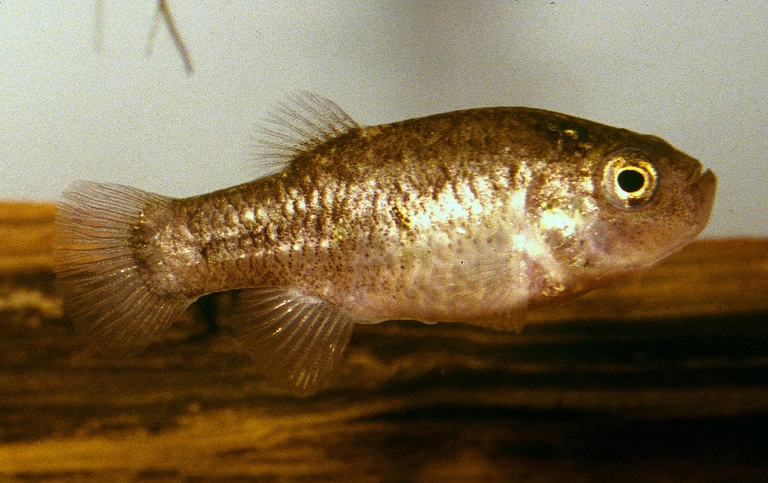
Noturus trautmani(Scioto madtom)
This fish was simply ever found in a unmarried river in the Usa state of Ohio, the Large Darby Creek. It hasn't been seen since 1957, but the reasons leading to its extinction are still unknown. The IUCN alleged it extinct in 2013.
Platytropius siamensis(Siamese apartment-barbelled catfish)
This catfish lived in the rivers and wetlands of Thailand and hasn't been seen since 1977. Dam construction, the destruction of many wetlands and growing pollution levels are believed to have caused its extinction, officialised by the IUCN in 2011.
Pseudophoxinus handlirschi(Egirdir minnow)
This fish lived exclusively in Lake Eğirdir, in Turkey. Biologists oasis't spotted whatever since the 1980s and its disappearance is linked to the introduction of bass to the lake. The IUCN declared information technology extinct in 2014.
Tristramella sacra(Long jaw tristramella)
This species of fish belonging to the Cichlidae family lived in the Bounding main of Galilee, in State of israel. According to the IUCN, which declared it extinct in 2014, the terminal specimen was sighted in 1990 and the destruction of its marshy habitat caused its demise.
Invertebrates
Bradycellus chavesi(São Miguel ground-beetle)
This beetle of the Carabidae family unit lived in a pocket-size parcel of country on the isle of São Miguel, in the Azores. It was a victim of climate change, which led to increased drought in the area. The last time it was observed by naturalists was in 1919 and the IUCN alleged it extinct in 2018.
Bythinella gibbosa
This small freshwater snail once lived in the waterways around Toulouse, French republic. As the city gradually expanded, and many streams and creeks were destroyed, the species went extinct. It hasn't been observed for 50 years and was declared extinct in 2010.
Bythinella limnopsis, Bythinella mauri tanica, Bythinella microcochlia, Bythinella punica
Naturalists classified these iv species of freshwater snail found in various springs in Tunisia in the 19th century. The reasons behind their disappearance aren't clear. The IUCN declared them extinct in 2010.
Calathus extensicollis(Pico footing protrude)
This large ground beetle was native to the loftier-distance forests on Pico Island, in the Azores archipelago. Over 150 years have passed since the final sighting and the IUCN declared the species extinct in 2018.
Calathus vicenteorum(Santa Maria basis beetle)
Like the species above, this basis beetle also lived in the mount forests of the Azores, on the island of Santa Maria in detail. Its extinction was probably linked to climate change having led to an increase in drought episodes on the isle. Information technology was declared extinct by the IUCN in 2018.
Cambarellus alvarezi
Until 1989 the population of this freshwater crayfish was stable, only water use by local farmers drained the just pond it inhabited, leading to its extinction, which was made official by the IUCN in 2010.
Cambarellus chihuahuae(Chihuahuan dwarf crayfish)
This small crayfish lived in a single leap in the Mexican desert, which was likewise drained for agricultural use. The IUCN declared it extinct in 2010. In 2015, a team of scientists claimed to have plant a population living in a pond in the Chihuahua desert, which is also at chance of drying up.
Centrobunus braueri
This spider lived in the forests of Mahé island, in Seychelles. The last specimen was observed in 1894, as its habitat was being destroyed by the invasion of cinnamon plants. The IUCN declared it extinct in 2014.
Chambardia letourneuxi
This mussel, which used to be common in the Nile delta, hasn't been observed since the starting time of the 20th century. It was alleged extinct by the IUCN in 2010.
Dicrogonatus gardineri(Gardiner's giant mite)
This giant acarid lived in the tropical forests of Mahé island, in Republic of seychelles. The species hasn't been seen since 1909 and is believed to have disappeared due to the destruction of its habitat. The IUCN declared information technology extinct in 2014.
Eucarlia alluaudi
This millipede lived on the small island of Marianne in the Seychelles archipelago until 1892. The island was completely taken over by humans for farming purposes, after which it was abandoned, leaving numerous invasive plants behind. The IUCN declared it extinct in 2014.
Galba vancouverensis
This freshwater snail lived on Vancouver Island and the San Juan Islands in Washington land, in the Usa. Scientists lost track of information technology in 1939 – it probably disappeared due to pollution and the expansion of man activities. The IUCN declared information technology extinct in 2017.
Geonemertes rodericana
This worm was seen just once in 1918 in the rainforests of Rodrigues island, Mauritius. Its habitat was razed to the ground for agronomical purposes, causing its extinction, which was made official by the IUCN in 2014.
Germainaia geayi
Scientists know little nigh this bivalve mussel from Madagascar and the IUCN declared the species extinct in 2016.
Heleobia spinellii
A freshwater mollusc native to Italy, its presence had been recorded at a few locations betwixt Lake Garda and Lake Idro but information technology hasn't been observed since 1850. It was declared extinct by the IUCN in 2010.
Hirstienus nanus
Not much is known about this spider who lived on the island of Mahé, in Republic of seychelles. Information technology was observed for the last time in 1908 and the IUCN declared it extinct in 2014.
Islamia ateni
This mollusc, whose habitat was a single spring in Kingdom of spain, was lost because of a route existence built almost the area where information technology lived. The IUCN declared it extinct in 2011.
Labidura herculeana(St. Helena behemothic earwig)
This species was the largest earwig in the globe, found on the island of Saint Helena in the southern Atlantic. It could grow over eight centimetres in length, and was seen for the last time in 1967. Its extinction – confirmed by the IUCN in 2014 – was caused by utilise of the rocks information technology inhabited in construction activities, too as competition with non-native species brought past humans.
Leiorhagium solemi
This mollusc found in New Caledonia was seen for the last fourth dimension in 1928. The development of human settlements, which caused many springs to dry up and the felling of big wooded areas, probably led to its extinction, officialised past the IUCN in 2011.
Macrobrachium leptodactylus
Only i specimen, institute in 1888 on the isle of Coffee in Indonesia, of this freshwater shrimp has e'er been nerveless. The IUCN declared it extinct in 2013.
Margatteoidea amoena
This species of cockroach was described following the discovery of a unmarried specimen on the Seychelles island of Desroches in 1905. It was declared extinct in 2012.
Melanoplus spretus(Rocky mountain locust)
The extinction of this grasshopper demonstrates the impact humans have on other species. It used to be ane of the most common invertebrates in North America: a report from 1875 describes an uninterrupted swarm extending 160 kilometres wide and ii,800 kilometres long. The causes of the quick population decline aren't clear merely are probably linked to changes in country utilize and farming activities on their mating grounds. The IUCN declared it extinct in 2014.
Mercuria letourneuxiana
Declared extinct in 2010, this mollusc lived in a single thermal spring in the Algerian region of Annaba. It is known only thank you to documents dating dorsum to the 19th century.
Metazalmoxis ferruginea
This spider was native to Mahé island, in Seychelles, and probably went extinct due to the introduction of invasive plants to the island. Information technology hasn't fabricated an appearance since 1892 and the IUCN declared it extinct in 2014.
Neocnemis occidentalis(Santa Maria weevil)
This insect was native to a small forest on the island of Santa Maria, in the Azores. A large portion of its habitat was lost due to deforestation and climate modify. Naturalists oasis't spotted 1 since 1867 and the IUCN declared it extinct in 2018.
Neoplanorbis tantillus(Little flat-meridian snail)
This aquatic snail lived only in the Coosa River in the U.s. state of Alabama. A series of dams built along the waterway betwixt 1914 and 1967 irreparably damaged and bankrupt up its habitat, causing its extinction –declared by the IUCN in 2012.
Orthomorpha crinita
A species of millipede native to Mahé, in Seychelles. Like other species native to the island, this invertebrate probably went extinct following the arrival of invasive plants brought by humans. The IUCN declared it extinct in 2014.
Pacifastacus nigrescens(Sooty crayfish)
This crustacean belonging to the Astacidae family lived only in waterways around San Francisco Bay, in the US. It was described in 1857 simply wasn't sighted throughout the whole of the 20th century. Its turn down has been linked to the arrival of invasive fish species and urban evolution in the Bay Area. The species was alleged extinct in 2010.
Peromona erinacea
Like other species of spider on this list, this ane – native to the island of Mahé – went extinct due to the introduction of invasive plants by humans. The IUCN declared it extinct in 2014.
Plectostoma sciaphilum
This species of snail was observed but in a limited part of Malaysia. Its habitat was literally razed to the basis at the beginning of this century past a structure company. The IUCN declared it extinct in 2014.
Pleorotus braueri
Declared extinct in 2014, this spider was too native to Mahé island and paid a dear cost for the arrival of invasive plants that compromised its habitat.
Pleurobema perovatum(Ovate clubshell)
This freshwater mussel lived in some parts of the Mississippi River and the Mobile River Basin, in Alabama, in the Usa. Information technology hasn't been observed since the beginning of the terminal century and the IUCN declared it extinct in 2012.
Procambarus angustatus(Sandhillls crayfish)
A species of Georgian crayfish described in 1958 by a biologist who found a single specimen. Information technology has never been observed since, and the IUCN declared it extinct in 2010.
Pseudamnicola barratei , Pseudamnicola desertorum, Pseudamnicola doumeti, Pseudamnicola globulina, Pseudamnicola latasteana, Pseudamnicola oudrefica, Pseudamnicola ragia, Pseudamnicola singularis
In 2010 the IUCN declared these viii species of water snails extinct. These gastropod molluscs were extremely sensitive to ecology changes in the springs they inhabited, and are believed to have disappeared during the 19th century.
Sitalcicus gardineri
This spider of the Podoctidae family as well lived on the island of Mahé, in Seychelles. It was observed for the last time in 1908 and disappeared with the destruction of its ecosystem. The IUCN declared it extinct in 2014.
Spirobolellus praslinus
Biologists last saw this millipede in 1902. It lived on the isle of Praslin, in Seychelles. Invasive plants destroyed its native habitat, leading to its extinction, which was ratified by the IUCN in 2014.
Stagnicola pilsbryi
This freshwater gastropod lived in a single leap in the US state of Utah. Information technology hasn't been observed since 1968 and its disappearance seems to have been linked to the degradation of its environment. It was declared extinct by the IUCN in 2012.
Stipax triangulifer
This was the only known species of spider in the Sparassidae family unit. Like many other invertebrates native to the island of Mahé present on this listing, it probably went extinct considering of invasive plants taking over its habitat. The IUCN declared it extinct in 2014.
Thomasettia seychellana
Another spider that lived on the island of Mahé until the arrival of humans and the invasive plant species they introduced to the Republic of seychelles archipelago. The IUCN declared the species extinct in 2014.
Tokea orthostichon(Schmarda'south worm)
A scientist found a single specimen of this earthworm over 150 years agone on Mount Wellington, near Auckland, in New Zealand. Its extinction, made official by the IUCN in 2017, is probably linked to the inflow of European colonists and the crops they introduced.
Unio madagascariensis
This mussel lived in rivers near the southern coast of Madagascar. According to biologists, in the 1800s information technology was "relatively abundant". Pesticides and agricultural wastewater probably caused its extinction, alleged by the IUCN in 2016.
Unio malgachensis
The taxonomy of this bivalve mollusc is still uncertain; only i specimen was ever found, in Madagascar, in 1909. The species hasn't been observed since and was declared extinct by the IUCN in 2016.
Vitrea storchi
But ane specimen of this snail has ever been constitute, lifeless, on the rocky island of Chios in the Aegean Sea. The IUCN declared it extinct in 2017.
Zonites santoriniensis
This state snail is just known to scientists through fossils establish on the Greek island of Santorini, and it probably went extinct post-obit a volcanic eruption over 1,400 years agone. The IUCN declared information technology officially extinct in 2017.
Zonites siphnicus
No specimen of this pocket-sized gastropod, which used to inhabit 3 islands in the Aegean Sea, has been observed since 1935. The species was declared extinct in 2017.
Plants
Acalypha dikuluwensis
This plant was native to the Katanga Plateau in the Democratic Republic of Congo and was terminal seen in 1959. Its extinction, which the IUCN declared in 2012, was probably caused by the big-scale extraction of copper in the region.
Acalypha wilderi
This small bush grew simply in the wooded parts of Rarotonga, one of the Cook Islands, in the South Pacific. It was last seen in 1929 and the IUCN declared it extinct in 2014.
Amaranthus brownii
This modestly-sized plant of the Amaranthaceae family unit used to grow on the small uninhabited Hawaiian island of Nihoa, where it was last seen in 1983. Living on a tiny remote isle in the vastness of the Pacific Ocean didn't protect it from the invasiveness of our species: humans introduced plants that ultimately led to its extinction, which the IUCN declared in 2018.
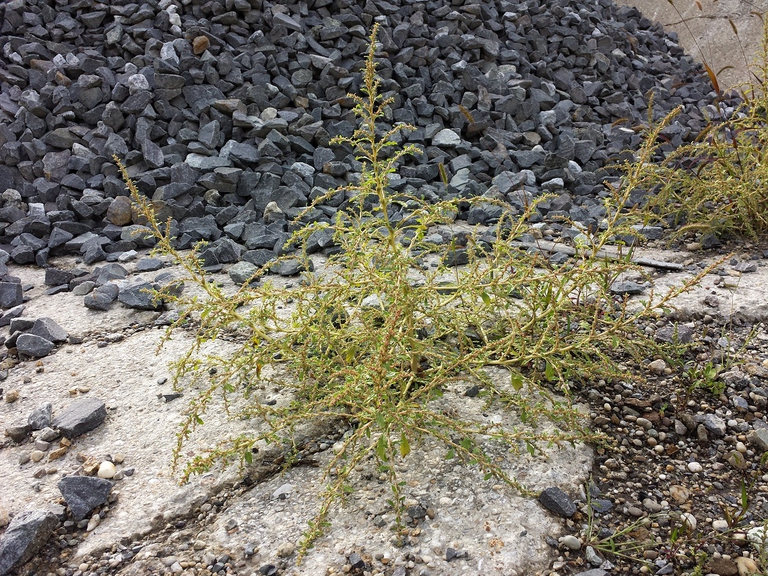
Angraecopsis dolabriformis
This plant is known thanks to a unmarried specimen constitute in 1982 on the island of São Tomé e Principe, off the Atlantic coast of key Africa. It's believed that the destruction of its habitat over the past two centuries led to its extinction, which was officialised by the IUCN in 2018.
Angraecum astroarche
Only one specimen of this orchid was e'er found, in the 19th century, on the island state of São Tomé eastward Principe. It hasn't been observed since and the IUCN declared the species extinct in 2018.
Basananthe cupricola
This found grew but in a limited region of the Democratic Republic of Congo, requiring particular soil conditions to flourish. These conditions were irreparably altered by the intense mining that has been carried out in the region. The species was declared extinct in 2012.
Centaurea pseudoleucolepis
This establish used to grow near the coastline of the Azov Sea, in Ukraine. Naturalists haven't observed it since 1930 and the IUCN declared it extinct in 2011.
Cyanea eleeleensis, Cyanea linearifolia , Cyanea mauiensis, Cyanea minutiflora, Cyanea parvifolia, Cyanea sessilifolia
This varied group of shrubs of the Cyanaea genus was known to have grown in humid Hawaiian forests. After much fruitless searching, the IUCN declared all six species extinct in 2016. Their disappearance was acquired by invasive animate being and plant species introduced by humans, including pigs, goats, rats, snails and various weeds.
Cyperus rockii(Kaua'i flatsedge)
This plant grew along a stream that crosses the Hawaiian island of Kaua'i. It was terminal observed in 1916 and probably went extinct due to the introduction of invasive plant species and pigs. The IUCN alleged information technology extinct in 2016.
Cyrtandra olona
The last time this shrub was observed on the mountains of Kaua'i was in 1909, and information technology likely disappeared due to competition with non-native plants introduced by humans. It was added to the IUCN's extinct species list in 2016.
Delissea sub cordata, Delissea undulata
These two shrubs of the Delissea genus grew in Hawaiian lowland forests, and their extinction – officialised by the IUCN in 2015 and 2016 respectively – was caused by invasive plants and animals introduced by humans.
Eulophia stenopetala
This orchid was observed merely once by scientists, on the arid hills of Bhutan in 1859. Surveys of its habitat fabricated since have been fruitless. The cause of its extinction, declared past the IUCN in 2017, is uncertain.
Euphrasia mendoncae
Naturalists start observed this plant in 1936 in Portugal'due south high-altitude grasslands. Information technology hasn't been seen since, and the IUCN added information technology to the extinct species listing in 2011.
Fissidens microstictus
This moss used to be very common on the Portuguese island of Madeira, simply it suffered a rapid pass up acquired by the growing influx of tourists. It hasn't been observed since 1982 and the IUCN declared it officially extinct in 2019.
Habenaria petromedusa
This plant inhabited the islands of Cabo Verde, in the Atlantic Sea, and is known thanks to a single specimen retrieved in 1787. The IUCN declared it extinct in 2017.
Heliotropium pannifolium(St. Helena heliotrope)
A flowering shrub native to the remote island of St. Helena in the southern Atlantic. The introduction of goats and competition with invasive plants are probable to have destroyed its habitat. The species was declared extinct in 2016.
Hibiscadelphus woodii(Woods'southward hau kuahiwi)
This shrub with vivid yellow flowers used to abound on the Hawaiian isle of Kaua'i, 1 of the final survivors of a disappearing genus. Goats, pigs and invasive plants caused its extinction in the wild. Or at least this was thought to be the case until a few months agone: in 2019, researchers found three specimens on a rocky outcrop of the island using drones.
Lepidium amissum(Waitakere scurvy grass)
This grass of the Brassicaceae family was discovered only after its extinction, which happened in the early on 1900s and was made official by the IUCN in 2014. Coastal degradation was the main reason for its disappearance.
Lepidium obtusatum
This coastal grass was last observed in New Zealand in 1950 and the IUCN declared it extinct in 2014.
Logania depressa
Naturalists observed this plant for the starting time and final fourth dimension in New Zealand's prairies in 1847. Since then, the species has never been constitute again and the IUCN declared information technology extinct in 2014.
Melicope macropus(Kaholuamanu melicope)
The disappearance of this citrus establish, which used to grow in Kalalau Valley on the Hawaiian island of Kaua'i, was caused by the introduction of not-native herbivores such as goats, pigs and deer, which devastated the native vegetation. The species hasn't been observed in the wild since 1995 and was declared extinct by the IUCN in 2016.
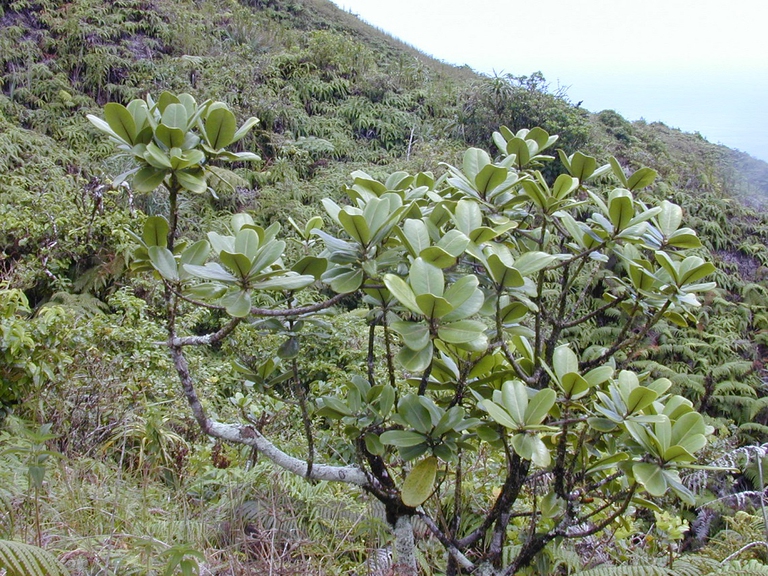
Melicope nealae
Some other citrus species that inhabited the mountain forests of Kaua'i. Naturalists haven't observed information technology since 1960 and it was declared extinct in 2016.
Miconia abscondita
This small tree grew on the steep slopes of Pic Macaya, the 2d-highest summit in Haiti. The species was only described in 2015, based on a specimen collected in 1926, only it hasn't been observed since. The IUCN declared information technology extinct in 2018.
Myosotis laingii(Waiautoa forget-me-not)
This blossom of the Boraginaceae family inhabited an island in New Zealand. It was terminal seen in 1912 and was alleged extinct in 2014.
Nobregaea latinervis
A moss belonging to the Brachytheciaceae family unit, this species was once constitute at the margins of laurel forests in the northeastern part of Madeira, in Portugal. It hasn't been observed since 1946 and was declared extinct by the IUCN in 2019.
Ornithogalum visianicum(Visiani's star of Bethlehem)
This plant of the Asparagaceae family unit used to grow on an uninhabited island off the coast of Croatia, but it hasn't been observed past scientists since 1911. Its habitat has remained mostly unaltered and then the cause of its extinction, made official by the IUCN in 2018, is unknown.
Sanicula kauaiensis(Kaua'i blacksnakeroot)
Another plant native to the Hawaiian isle of Kaua'i, this perennial herb grew on steep grassy slopes. Information technology hasn't been observed since the 1950s and its decline was probably caused past competition with invasive plants introduced by humans. The IUCN declared it extinct in 2016.
Schiedea amplexicaulis(Ma'oli'oli)
Similar other plants native to the Hawaiian archipelago, this species inhabiting the island of Kaua'i disappeared due to invasive species being introduced. Terminal observed around 1850, the IUCN declared information technology extinct in 2016.
Stachytarpheta fallax
This species is merely known thanks to a few specimens nerveless in 1908 on the islands of Cabo Verde. Information technology hasn't been observed since and the IUCN alleged it extinct in 2017.
Stellaria elatinoides
This spermatophyte of the Caryophyllaceae family unit used to grow forth the banks of lakes and rivers in New Zealand. It disappeared sometime effectually the 1940s following the introduction of invasive weeds that altered its ecological niche. The IUCN added it to its extinct species list in 2014.
Trilepidea adamsii(Adams mistletoe)
This shrub inhabited forest margins on New Zealand's North Island. It was last observed in 1954 and may have disappeared due to a combination of factors, namely habitat deposition, the refuse of pollinating insects and advent of invasive species such as possums. The IUCN alleged the species extinct in 2014.
Viola cryana(Pensée de Weep)
This bloom of the Violaceae family grew exclusively on the limestone hills of France'due south Bourgogne-Yonne department. It hasn't been observed since 1927 and its decline is linked to excessive limestone extraction in the area. The IUCN declared it extinct in 2011.
Wikstroemia hanalei(Lavafield false ohelo)
There have been no observations of this shrub, native to the Hawaiian island of Kaua'i, since 1897. Its extinction was probably caused by competition with non-native species and was fabricated official past the IUCN in 2016.
Translated by

Quest'opera è distribuita con Licenza Creative Commons Attribuzione - Non commerciale - Non opere derivate iv.0 Internazionale.
Source: https://www.lifegate.com/extinct-species-list-decade-2010-2019
Posted by: bonnerwerve1939.blogspot.com
0 Response to "How Many Animals Have Gone Extinct In The Last 50 Years"
Post a Comment